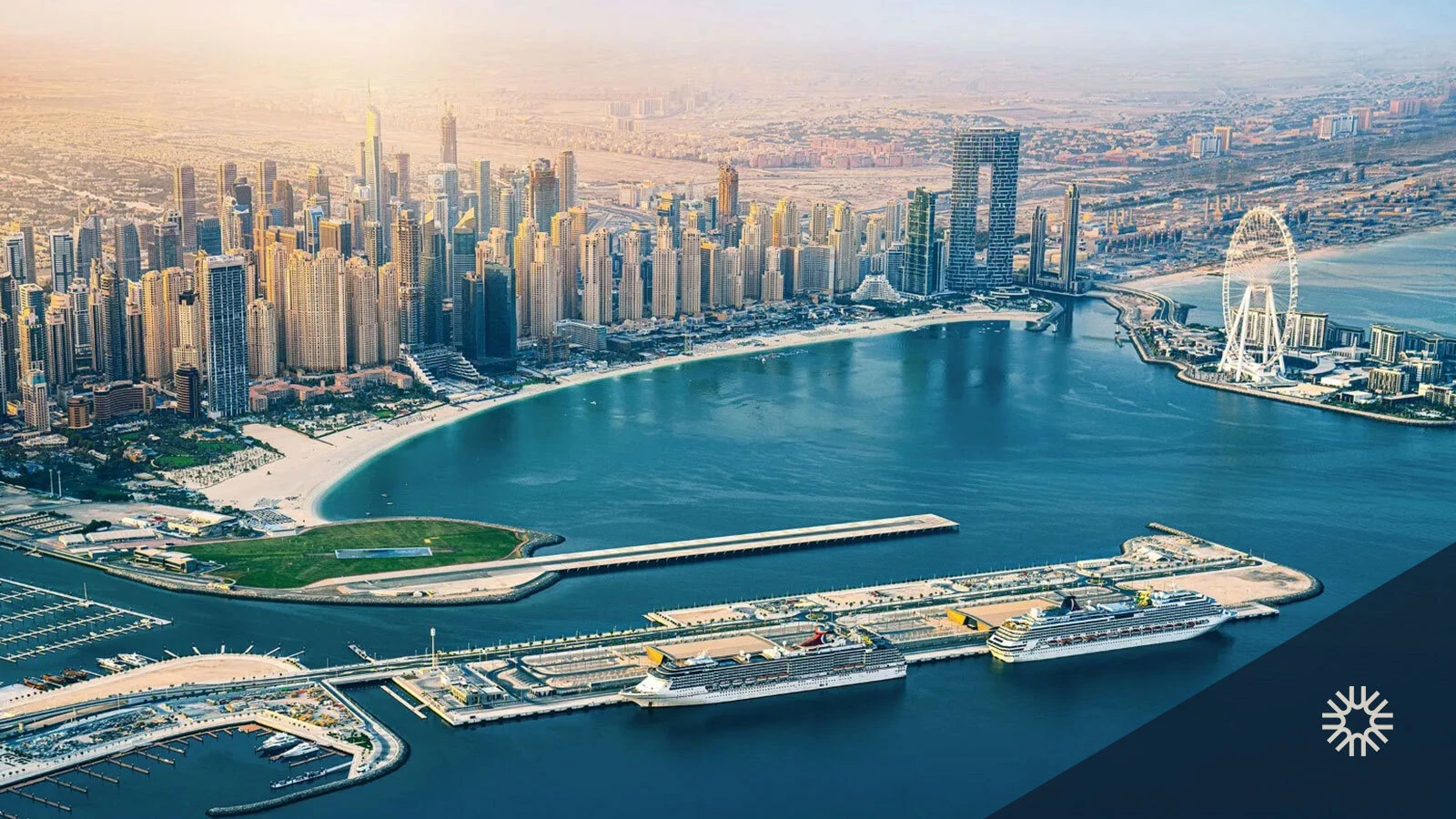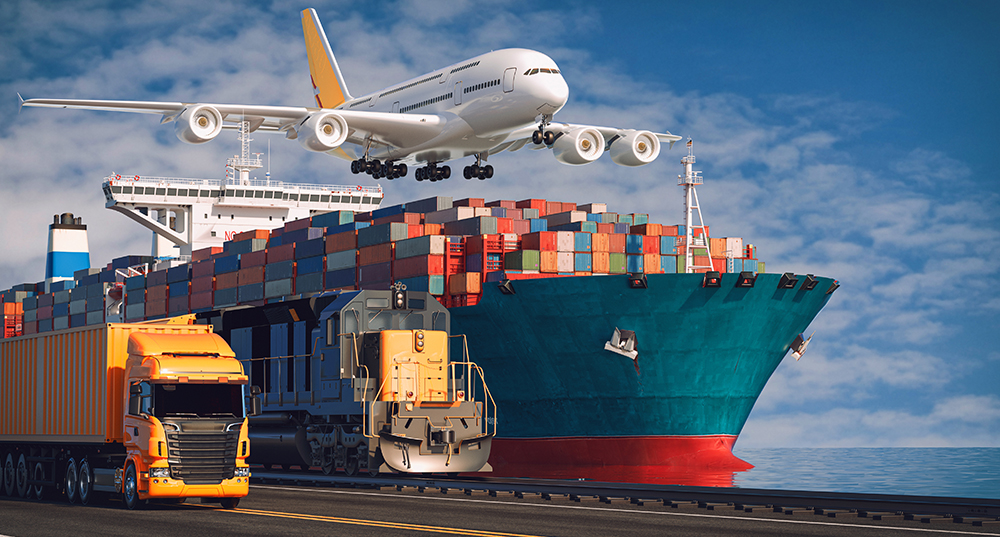
Dubai has always been known as a global trading hub. For decades, this city has connected the East and the West, attracting entrepreneurs who want to build import and export businesses that serve markets across Asia, Africa, Europe, and beyond. Whether you are importing consumer goods, electronics, machinery, or raw materials, Dubai gives you the perfect platform to run an international trading business with modern infrastructure, simple regulations, and strong logistics support.
If you are considering starting your own import and trading company in Dubai, this guide will help you understand everything you need to know — from getting your trade license to setting up your supply chain and managing customs clearance. Let’s go step by step.
1. Why Dubai Is the Ideal Place to Start an Import and Trading Business
Dubai’s economy thrives on trade. The city’s ports and airports handle millions of tons of cargo every year, and its location gives access to over 2 billion people within a four-hour flight. For entrepreneurs, this means easy access to suppliers, distributors, and customers from every part of the world.
Here are a few reasons why Dubai stands out:
Strategic Location: Dubai sits between Asia, Europe, and Africa, making it an ideal re-export center for goods moving between continents.
Tax Efficiency: The UAE has no personal income tax, and corporate taxes are relatively low. For importers, that means higher profit margins and better scalability.
World-Class Logistics: Ports like Jebel Ali and airports like Dubai International and Al Maktoum are among the most advanced globally, ensuring faster clearance and efficient movement of goods.
Stable and Transparent Business Environment: The UAE government has built a business-friendly regulatory system that encourages foreign investment and entrepreneurship.
Diverse Market: Dubai’s local market is diverse, with millions of residents and tourists. The re-export market is equally strong, serving neighboring Gulf, African, and Asian countries.
2. Understanding the Trading License
The most important step in launching your import and trading business is obtaining the right commercial trade license. This license legally allows you to import, export, and trade specific categories of goods.
There are two main types of jurisdictions where you can set up your business: Mainland and Free Zone.
Mainland Company
A mainland license allows you to trade directly within the UAE market and work with local suppliers or government clients without restrictions. It is issued by the Department of Economy and Tourism (DET) or the relevant authority in other Emirates.
Mainland trading companies can import and sell goods anywhere in the UAE. However, they may require additional local distribution or customs registration steps if they import in large quantities.
Free Zone Company
Free zones are special economic areas that offer benefits such as 100% foreign ownership, customs exemptions, and simplified import-export procedures. You can import goods into your free zone warehouse, re-export them globally, or sell them to mainland distributors through approved channels.
Free zones are often the preferred choice for entrepreneurs who want to focus on international trading rather than retail within the UAE.
When applying for your trade license, you must specify your business activities clearly — such as “general trading,” “import and export of consumer goods,” or “wholesale of electronic products.”

3. Choosing the Right Business Activity
Dubai authorities classify businesses based on their primary activities. For an import and trading business, you can choose either:
- General Trading License: This allows you to trade in a wide range of goods, from textiles to electronics, without limitation to a single category.
- Specific Trading License: This is for companies that trade in a specific category such as auto parts, medical equipment, food items, or construction materials.
If you plan to diversify your product line later, the general trading license gives more flexibility, while specific licenses are often cheaper to maintain.
4. Steps to Start an Import and Trading Business in Dubai
Setting up your company may seem complex at first, but the process becomes smooth when you break it into clear stages.
Step 1: Define Your Business Plan
Start by identifying what kind of products you will import, who your suppliers are, and how you plan to distribute or resell them. Decide whether you want to operate locally or focus on re-export markets. This clarity will help you choose the right license type and location.
Step 2: Choose a Jurisdiction
Decide between setting up in the mainland or a free zone based on your goals. If your main focus is B2B trade and re-exports, a free zone is often more cost-effective. If you want to sell directly in the UAE, a mainland setup may be more suitable.
Step 3: Reserve Your Company Name
Select a business name that reflects your brand and follows UAE naming guidelines. Avoid any names that include religious or political references. Once approved, the name is reserved for your business.
Step 4: Apply for Your Trade License
Submit your application along with your business plan, passport copies, and other documents. After review, the authority issues your trade license, which legally allows you to start trading activities.
Step 5: Register for Import Code
Every company involved in importing goods must obtain an Import Code from Dubai Customs. This code links your company with the customs system, allowing you to clear goods through ports and airports.
Step 6: Find a Warehouse or Office
You will need a physical address to complete your business registration. In a free zone, the authority provides office and warehouse solutions. In the mainland, you can rent space from private landlords. Choose a location close to logistics hubs to save time and costs.
Step 7: Open a Corporate Bank Account
Once your company is registered, open a corporate bank account to manage your business finances. Most banks require your license, shareholder documents, and a clear business plan.
Step 8: Set Up Your Logistics and Supply Chain
Partner with freight forwarders or logistics companies who can handle international shipping, customs clearance, and storage. A reliable logistics partner ensures timely delivery and compliance with UAE import regulations.
5. Import and Customs Procedures
To start importing goods, your business needs to follow certain customs and documentation processes.
a. Import Code Registration: As mentioned earlier, this is the first requirement to be recognized as an importer.
b. Customs Declaration: Every shipment entering Dubai must be declared with its details — origin, value, description, and HS code.
c. Payment of Duties and Taxes: Most goods are subject to a small customs duty, usually calculated as a percentage of the total invoice value. Some categories such as tobacco, alcohol, and luxury items may have higher duties.
d. Inspection and Clearance: Once the paperwork is verified, customs may inspect the goods before approving clearance.
e. Delivery and Storage: After clearance, the goods are moved to your warehouse or distributed to clients.
It is always best to work with a licensed customs broker or logistics firm to handle these processes efficiently.

6. Understanding the Costs Involved
Although the exact figures vary depending on your business type and jurisdiction, here are the main cost categories to plan for:
- Trade License Fees: Paid annually to the relevant authority.
- Office or Warehouse Rent: Mandatory for business registration and operations.
- Visa and Immigration Costs: For the business owner and any staff.
- Customs and Shipping Costs: Based on product type, volume, and supplier country.
- Insurance and Compliance Costs: Especially important for goods like electronics or perishables.
Budgeting carefully helps ensure that your business runs smoothly and remains profitable.
7. Building Supplier Relationships
A strong supply chain is the backbone of any trading business. Build reliable partnerships with manufacturers and exporters in your chosen countries. Always request samples and test quality before committing to bulk orders.
Attend trade fairs and exhibitions in Dubai to meet suppliers directly. Many global manufacturers use Dubai as a regional base, so you can often source goods locally at competitive prices.
Negotiating favorable payment terms, delivery schedules, and warranties can significantly improve your cash flow and customer satisfaction.
8. Selling and Distribution Strategies
Once your goods are in Dubai, your next focus should be building a distribution network.
Wholesale Model: Selling bulk quantities to retailers, supermarkets, or resellers.
Retail Model: Selling directly to customers through your own store or e-commerce platform.
Re-export Model: Shipping goods to other countries in the Gulf, Africa, or Asia for resale.
Each model requires a slightly different strategy in terms of marketing, logistics, and pricing. Many traders in Dubai use a combination of all three to maximize revenue.
9. Managing Compliance and Documentation
Maintaining proper documentation is crucial. Always keep copies of:
- Commercial invoices
- Packing lists
- Bills of lading or airway bills
- Certificates of origin
- Import permits (if required)
- Insurance documents
Depending on the type of goods, certain approvals or product registrations may also be needed. For example, food products require approval from the Food Control Department, while electronics may need compliance certificates.

10. Using Technology for Your Trading Business
Modern trading businesses in Dubai rely heavily on technology to manage inventory, invoices, and customer relationships.
Consider using:
- Inventory Management Software: To track stock levels, orders, and reordering needs.
- CRM Systems: To manage your clients and follow up on leads efficiently.
- Online Portals: Many free zones and government departments provide online systems to renew licenses, pay customs duties, and access trade data.
Digital tools reduce human error and allow you to scale your operations faster.
11. Growing Your Import and Trading Business
Once your operations stabilize, think about growth. You can expand in several ways:
a. Diversify Your Product Range: Add new items that complement your existing line.
b. Enter New Markets: Start re-exporting to nearby regions such as the Middle East, Africa, or South Asia.
c. Partner With Local Distributors: This helps you enter the retail market without needing your own outlets.
d. Build a Brand: If you consistently import high-quality products, consider developing your own brand label to sell under your company name.
Dubai’s trade-friendly policies make scaling your business much easier compared to many other markets.
12. Common Challenges and How to Overcome Them
Even though Dubai offers many advantages, running a trading business here still comes with challenges:
- Fluctuating shipping costs: These can affect profit margins. To manage this, negotiate long-term contracts with logistics partners.
- Product approvals: Certain goods take longer to get approved. Always research requirements in advance.
- Competition: The trading market in Dubai is highly competitive. Stand out by offering quality products, reliable service, and transparent pricing.
- Cash flow management: Importing involves upfront payments. Plan your finances carefully and maintain a reserve for operational expenses.
With preparation and discipline, these challenges can be managed effectively.
13. Why Professional Assistance Matters
While it is possible to handle your company formation yourself, many entrepreneurs prefer to work with experienced consultants who understand the system. A professional business setup firm can guide you through:
- Choosing the right license and jurisdiction
- Handling documentation and approvals
- Registering with customs
- Setting up banking and visas
- Finding the right warehouse or office space
This saves time and prevents costly mistakes, especially if you are new to the UAE.

Final Thoughts
Starting an import and trading business in Dubai is one of the most rewarding ventures for entrepreneurs who want to tap into a global market. The city offers a stable economy, transparent legal framework, excellent logistics, and strategic location — all the ingredients for a thriving trading business.
By following the right steps, maintaining compliance, and building strong supplier and customer relationships, you can create a profitable and sustainable enterprise that grows with Dubai’s economy.
If you are ready to take the next step, reach out to GenZone for expert assistance. Their team will guide you through every stage, from licensing and documentation to banking and operations, ensuring your import and trading business is launched the right way.